

Aloha. The Da Kine Lab (DKL) is under the direction of Prof. H. Jeremy Cho in the UNLV Department of Mechanical Engineering. Here at the DKL, we focus on heat/mass transfer, soft materials, and interfacial phenomena to develop groundbreaking technologies for energy and environmental applications. We are designers, builders, experimentalists, analysts, modelers, tinkerers, and coders. We have a general curiosity about the universe and look for creative ways to live better and more sustainably.
Why do we call ourselves “da kine”? In Hawaiian pidgin, "da kine" is usually a placeholder word to really mean anything at all—similar to how we might say "watchamacallit". When local people in Hawaiʻi hear "da kine", it usually connotes a certain feeling of familiarity with the speaker and what the speaker is referring to. So we hope you also might find some familiarity with what we do at the DKL; please don't hesitate to reach out to us if you do as we always welcome collaboration no matter where you're coming from.
 March 25, 2026 — Our paper from Isaac Berk and Emilie Luong on a new technique to obtain the full 3D geometry of droplets from a single image has been published in Droplet. This method is more accurate and provides much more information than classical goniometry. This is a fully deterministic approach based on ray tracing and the Young-Laplace equation (no AI). This “reverse catch light&lrquo; method, inspired by “catch lights” in photography, utilizes the specular reflections of known lighting positions to calculate the curved droplet surface.
 October 22, 2024 — Our paper on a new, ultra-fast, solid-liquid hybrid atmospheric water harvesting technique that is bioinspired from tree-frog skins and airplant cuticles has been published in the Proceedings of the National Academy of Sciences. The highly positive results have led to UNLV IP being secured and exclusively licensed to WAVR Technologies, a startup company co-founded by Dr. Cho and former DKL members Yiwei Gao and Ryan Phung.
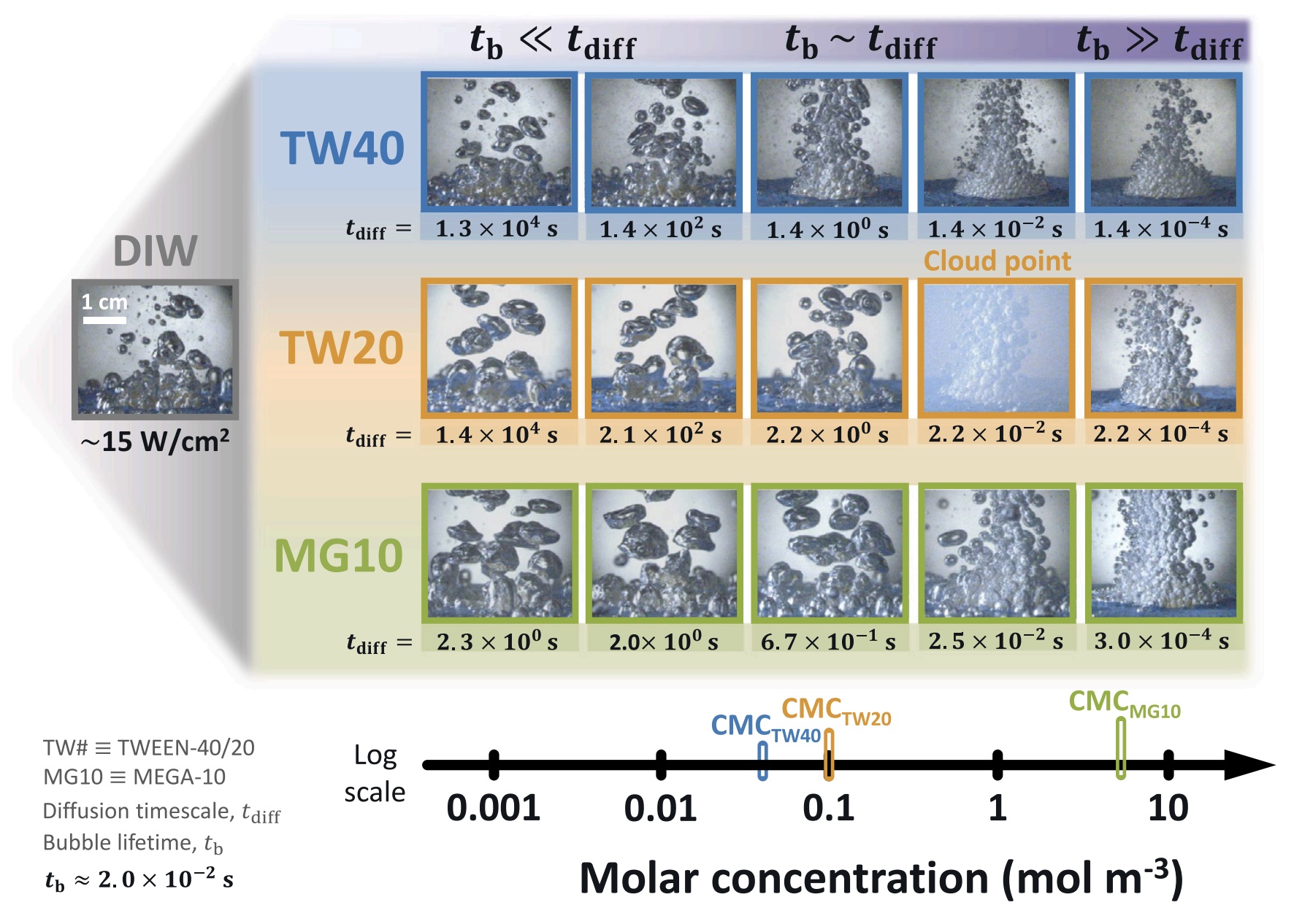 September 3, 2024 — Mario's paper on how boiling performance is dictated by the molar concentration of surfactant additives is published in the International Journal of Heat and Mass Transfer.
 April 18, 2024 — Da Kine Lab awarded $2.1 million by the Department of Energy ARPA-E ROSIE program to lead the development of a green ironmaking technique utilizing electrochemistry to decarbonize the steel industry. This project is in collaboration of University of Nevada, Reno and the University of Houston.
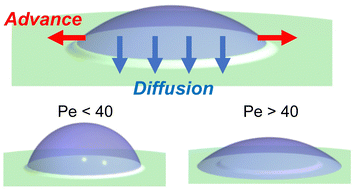 December 1, 2023 — Amir's paper on transient wetting behavior on hydrogels is published in Soft Matter.
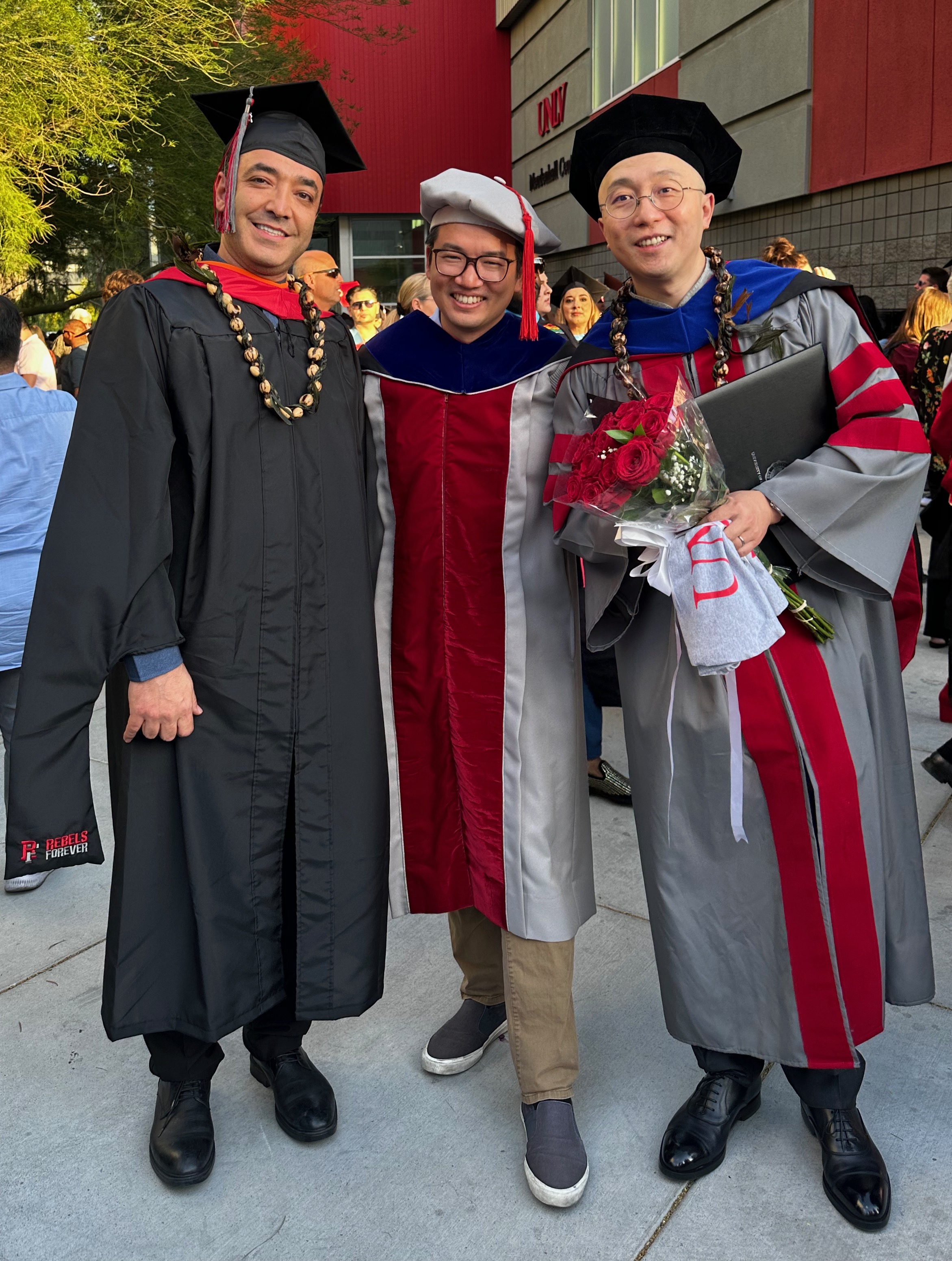 May 12, 2023 — Congratulations to Yiwei Gao (PhD) and Amir Kashani (MS) for graduating in the Spring of 2023!
 December 14, 2022 — Jeremy Cho is awarded the NSF CAREER award for work on atmospheric water harvesting through hydrogels. We thank the NSF and look forward to continuing our fundamental work in this area for the next five years.
 October 28, 2022 — DKL was awarded the ACS Petroleum Research Fund Doctoral New Investigator Grant. We thank the ACS for supporting our research on surfactant transport principles.
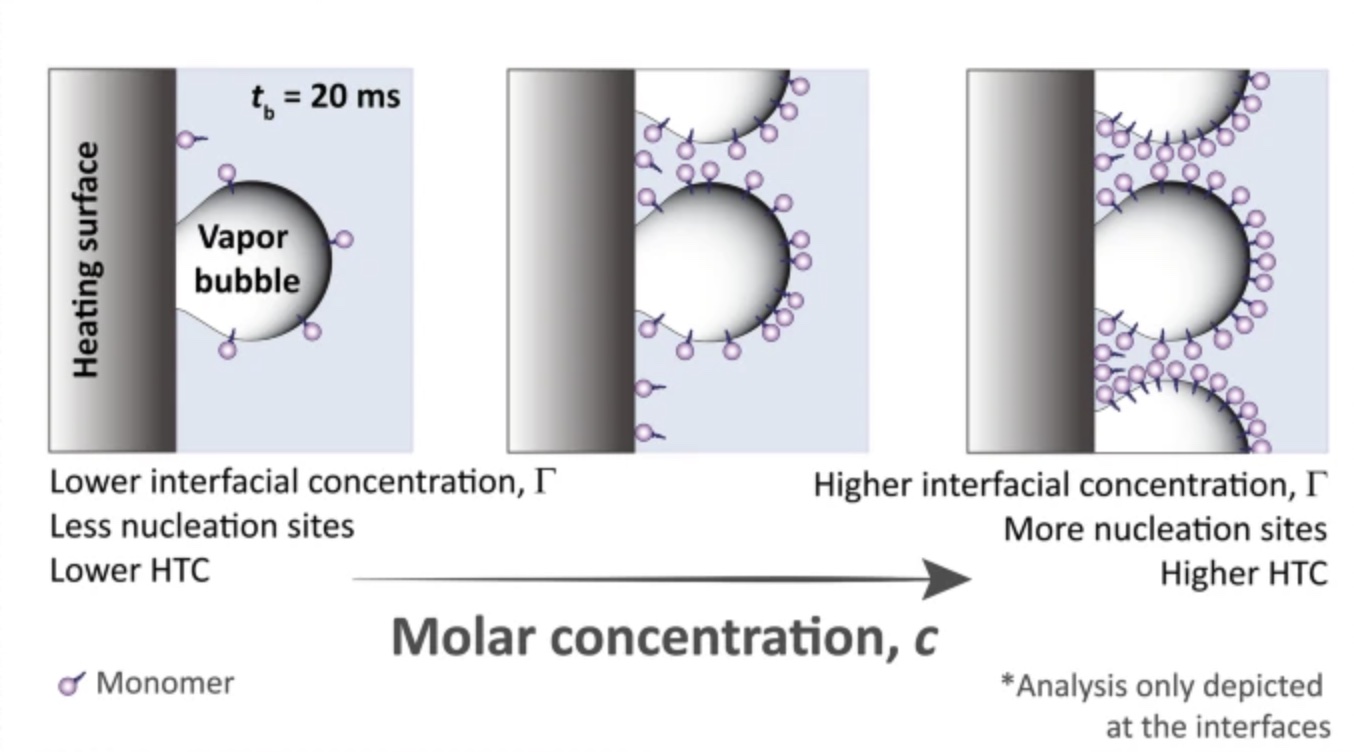 October 28, 2022 — Our paper describing how dynamic adsorption controls surfactant-enhanced boiling heat transfer was published in Scientific Reports.
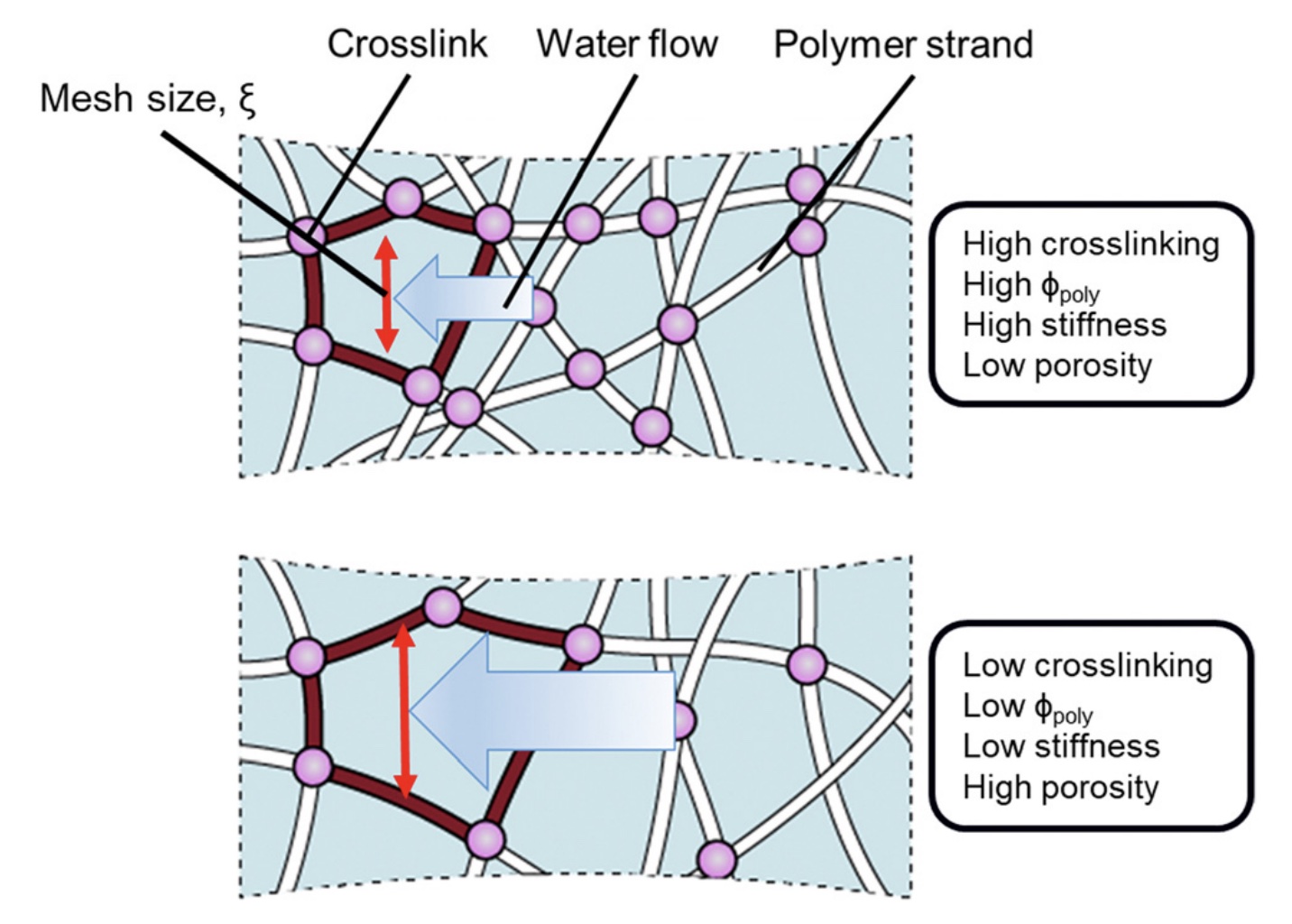 September 27, 2022 — Our paper describing how hydrogel permeability is realted to stiffness was published in Soft Matter. This work is part of the Soft Matter Emerging Investigator Series.
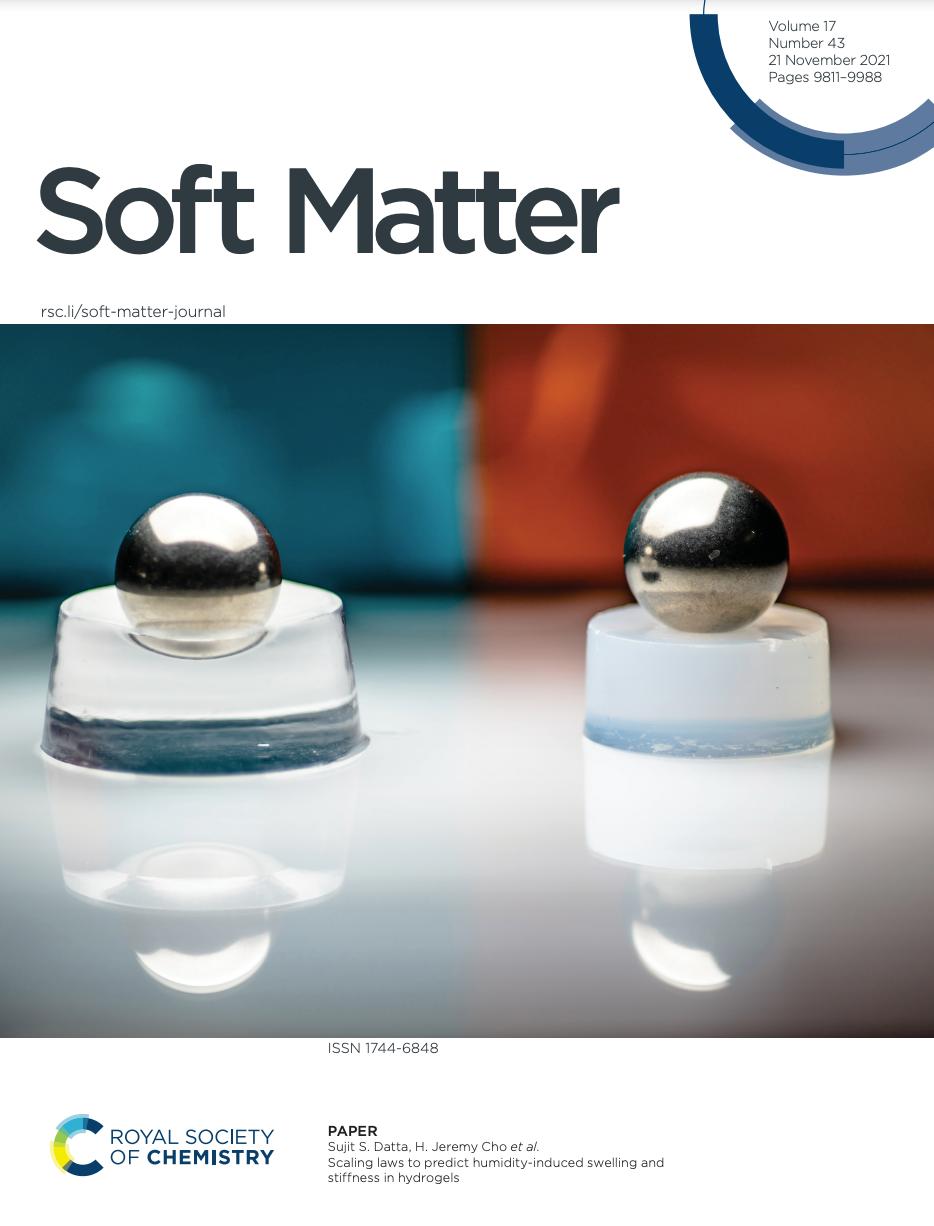 September 27, 2021 — Our hydrogel work investigating stiffness, swelling, and humidity was published in Soft Matter and our work was featured as an inside cover photo.
We explore non-traditional “soft” matter—such as hydrogels to develop fundamentally new technologies that encompass the energy, environmental, and biomedical spaces. Previously, we have studied self-healing hydrogel packings [9, 10], and we are currently looking at hydrogel membranes for harvesting water out of thin air. We study hydrogel behvavior from their fundamental molecualar structure and have recently developed new scaling laws to describe their properties as they change with swelling and humidity [13, 14]. Relevent publications: [9], [10], [12], [13], [14].
From phase-change heat transfer to lung function to oil recovery to underground mining, the interfacial properties at the liquid-vapor-solid boundaries dictate that complex phenomena. These could increase forces required for flow or cuase undesirable flow characteristics. We look at how surfactants can be used to tune these behaviors by understanding how they work from thir fundamental chemistry. Relevent publications: [6], [8], [15].
How can we use and convert energy more efficiently? That, essentially, is the question we seek to answer in many ways through our research. Energy conversion often involves the movement of heat. And one of the most effective ways to move heat is through phase-change processes like boiling and condensation. This is why the majority of power plants use a steam cycle to convert a heat source (fossil fuel, solar, geothermal, etc.) into electricity. We look at how boilers and condensers can be made to transfer energy more effectively using new materials. Many existing thermal technologies deal only with the three traditional phases of matter: pure liquids, gases, and solids. However, there are a multitude of complex and exciting behaviors when we use non-traditional matter. For instance, we can add molecules called surfactants that change how a liquid wets a surface (think about how water droplets would bead up and slide on a waterproof jacket versus soak a cotton shirt). These surfactants enable control of boiling—even to the point of turning boiling on and off using electric fields. Relevent publications: [2], [4], [11], [15].
Jeremy Cho (email | website | google scholar) is an Associate Professor of Mechanical Engineering at UNLV. He joined UNLV in the fall of 2019. Previously, he was a postdoctoral research associate in Chemical and Biological Engineering at Princeton (Datta Lab). He did his PhD and Master’s studies in Mechanical Engineering at MIT (Device Research Lab). He received his BSE in Mechanical Engineering from the University of Michigan.
Born and raised in Hawaiʻi, Jeremy left the warm sunshine for cold winters in the Northeast to pursue his studies and research. He now calls the 9th island of Vegas his home.
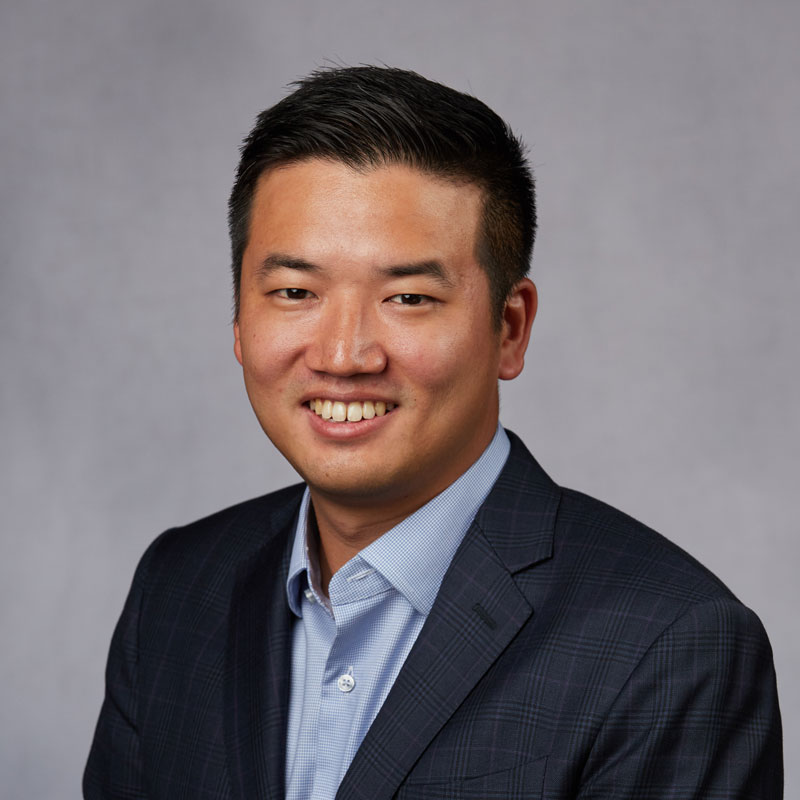
Munaiah Yeddala (email) is a postdoc who joined in 2025. He specializes in electrochemistry for advancing the ARPA-E project on clean electrowinning of iron.
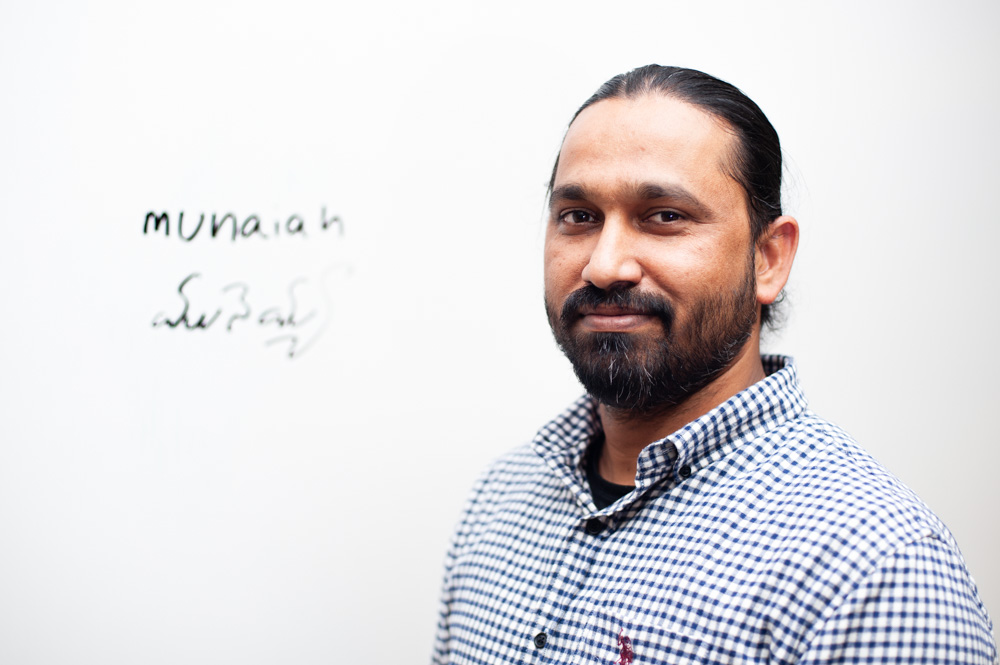
Zabihollah Najafianashrafi (email) is a postdoc who joined in 2025. He performs transport analysis and prototype design for the ARPA-E project on clean electrowinning of iron.
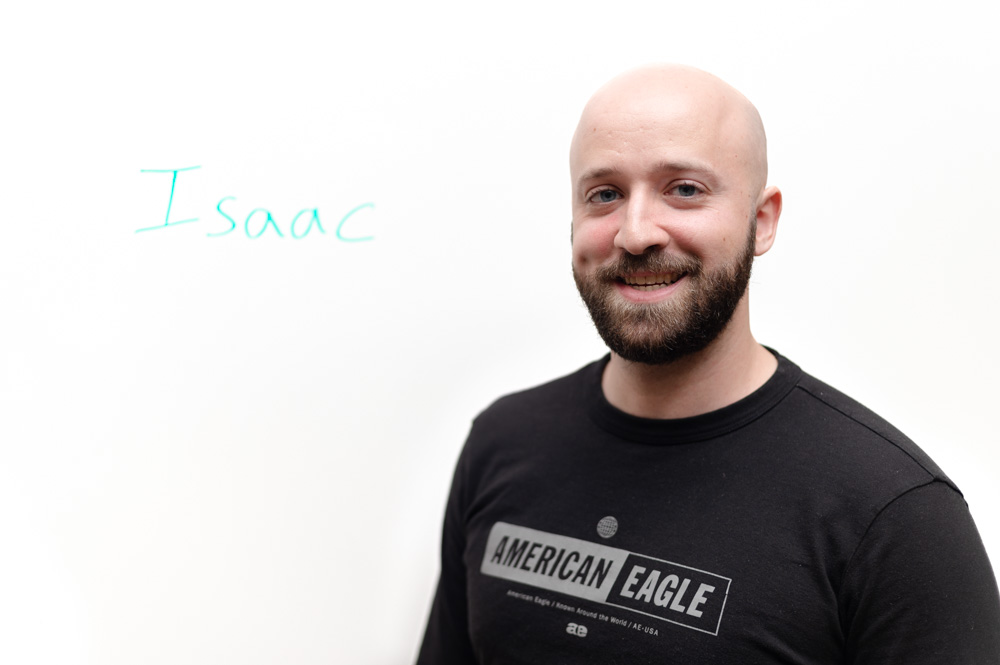
Isaac Berk (email) is a PhD student who joined in 2022. He does research on surfactants and surface-tension phenomena.
Angélica Grado Rooker (email | LinkedIn) is a PhD student in Mechanical Engineering who joined the lab in 2023. She earned her Master's degree in Environmental Engineering from UANL in Monterrey, Mexico (Ecomateriales y Energía). Her research there focused on Photocatalytic Processes and Perovskite-based Solid Solutions. She is currently working on gas capture methods and electrochemical applications for our lab's electrode cell prototype. At her leisure, Angie enjoys homemaking, working out, outdoor activities, and preparing for her first baby.

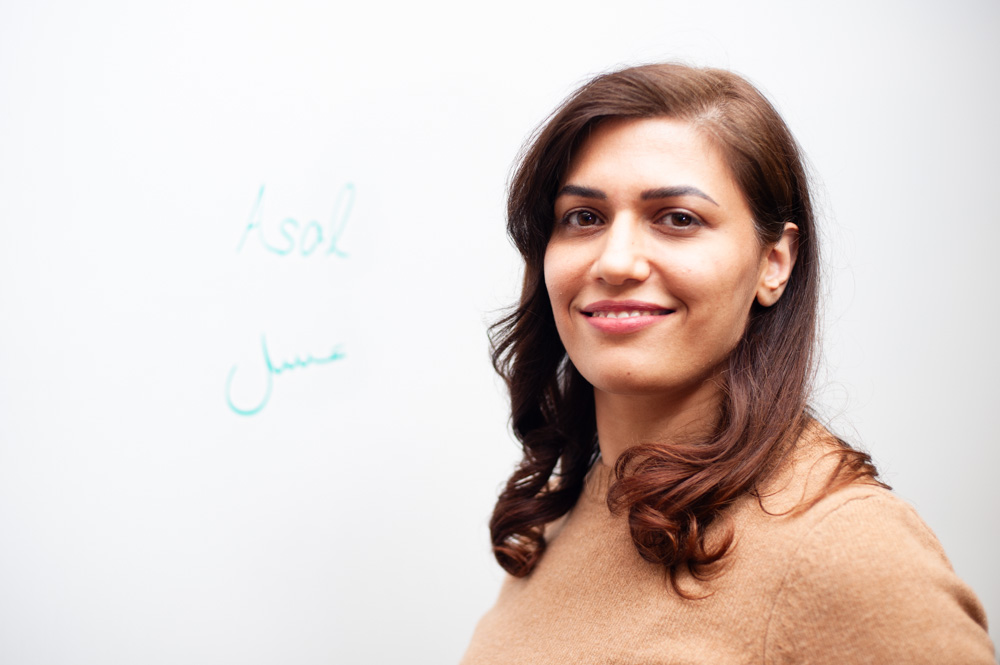
Asal Mansourimarand (email) is a PhD student who joined in 2024. She does research on atmospheric water harvesting.
Marzieh Taheri (email) is a PhD student who will be joining in 2025. She does reserach in electrochemistry for green ironmaking.

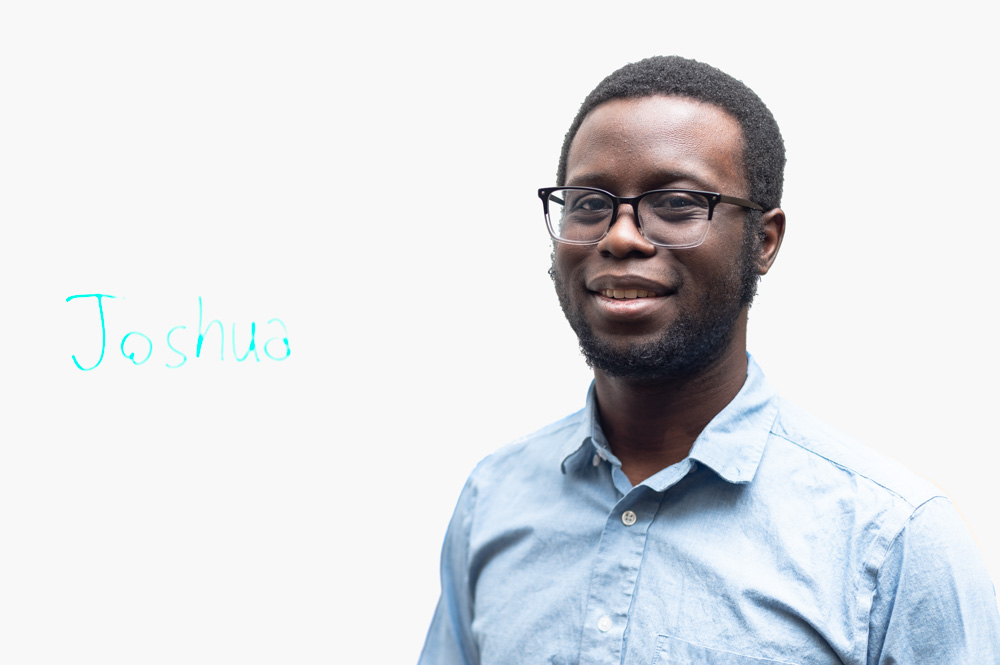
Joshua N. Banfro (email | LinkedIn) is a Master's student in Materials & Nuclear Engineering who joined the lab in the fall of 2024. Prior to joining the lab, he garnered design and management experience with Baja SAE Rebel Racing during his Bachelor's in Mechanical Engineering here at UNLV. He currently works on mechanical design and chamber prototyping for a green ironmaking system. In his free time, he enjoys organizing, transcribing music, video editing and giving a helping hand.
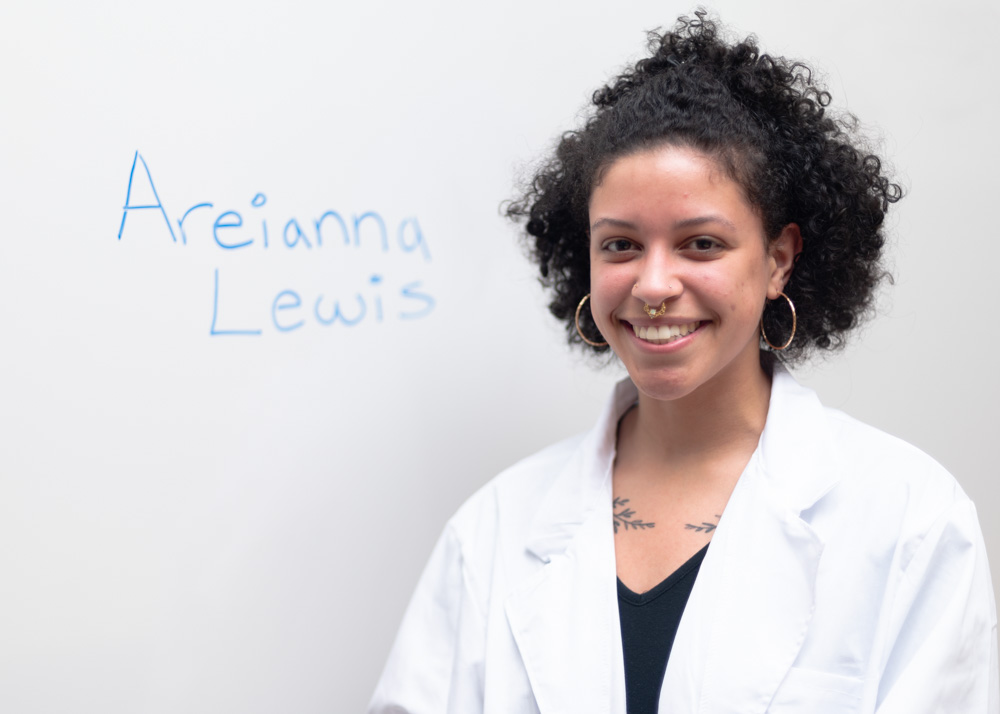
Areianna Eason (email) is an undergraduate researcher working on hydrogel synthesis and characterization.
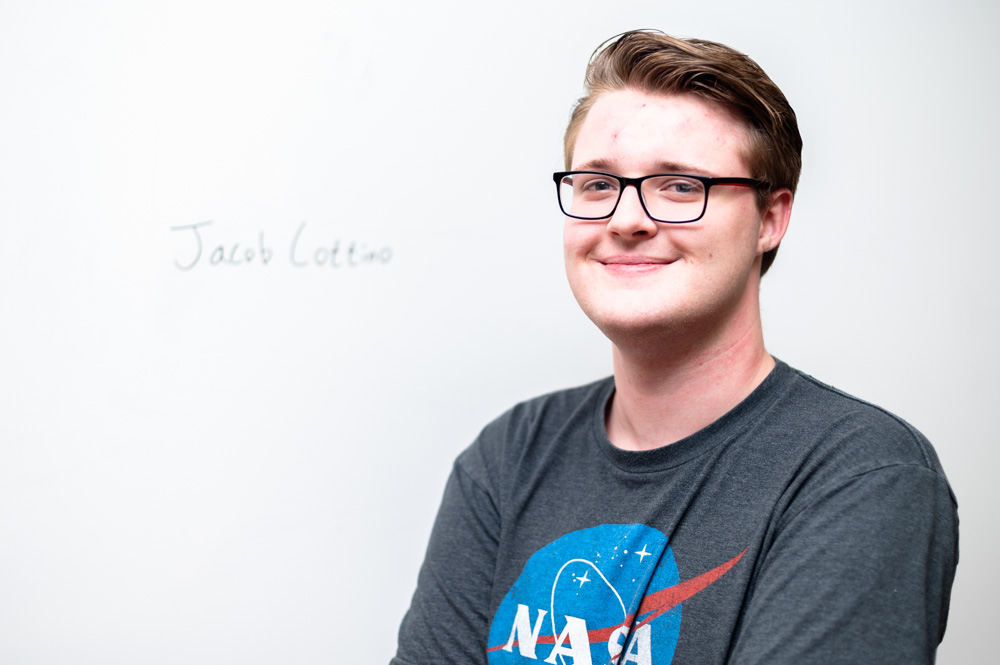
Jacob Cottino (email) is an undergraduate researcher and a mechanical engineering student. He joined in 2023 and studies using electrochemistry for atmospheric water harvesting. In his free time, he enjoys cooking and going on hikes.
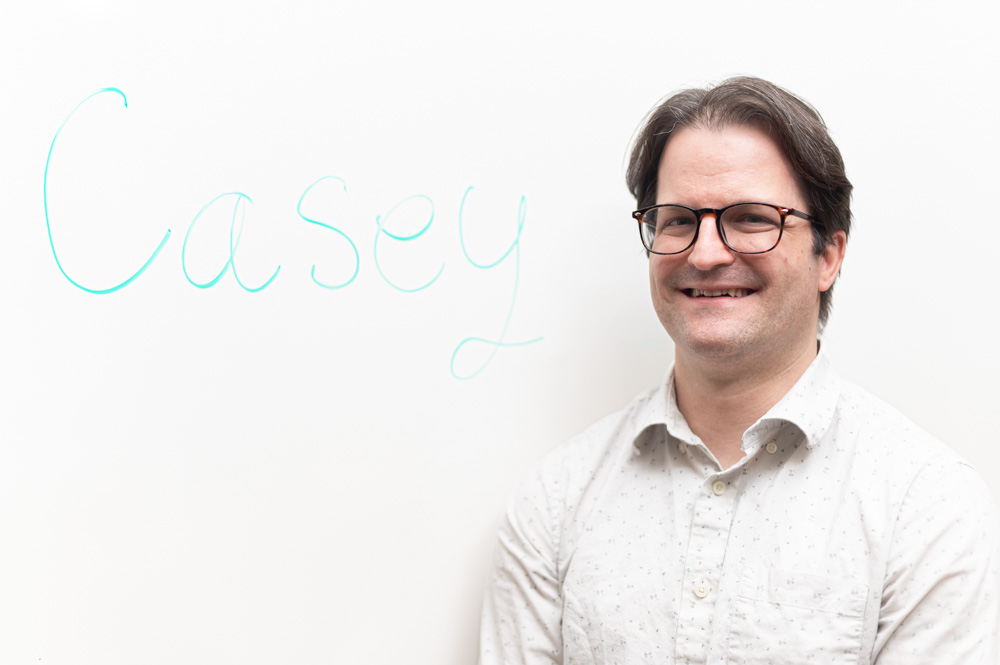
Casey Lubking (email) is an undergraduate researcher and a mechanical engineering student. He works on electrochemical separation of water.
Mohammad Rejaul Haque Postdoc in 2024. Currently Associate Teaching Professor at Colorado State University.
Mario Mata PhD student from 2019 to 2024.
Yiwei Gao PhD student from 2019 to 2023. Currently CTO at WAVR Technologies.
Amir Kashani MS student from 2021 to 2023.
Brandon Ortiz MS student from 2019 to 2022. Currently at Nikkiso Cryo.
Ryan Phung MS student in 2021. Currently Co-founder at WAVR Technologies.
Emilie Luong Undergraduate student from 2023 to 2025. Currently at Clark County Water Reclamation District.
Addison Cobb Undergraduate researcher from 2022 to 2025. Currently PhD student at Colorado State University.
Santiago Ricoy Undergraduate researcher from 2020 to 2022.
Genaro Alexis Marcial Lorza Undergraduate researcher from 2021 to 2022.
Vesper Evereux Undergraduate researcher from 2021 to 2022.
Dhruv Luhar Undergraduate researcher in 2021. Currently MS stduent at CU Boulder.
Stone Wachs Undergraduate researcher in 2021. Currently at Nellis Air Force Base.
Bianca Navarro Undergraduate researcher from 2021 to 2023. PhD student at Northwestern University.
Negin Garakani PhD student student from 2019 to 2021.
Arshia Boorboor undergraduate researcher from 2020–2021.
Nicholas Chai Undergraduate researcher from 2020 to 2021. Currently at Blue Origin.
Gyeol Hwangbo Vistiting student from Korea Aresospace University (South Korea) in 2025.
Tanishq Dabhade Vistiting student from MIT Academy of Engineering, Pune (India) in 2025.
Keigo Miyao Vistiting student from Kogakuin University (Japan) in 2024.
Benjamin Sabir Vistiting student from ISMANS CESI Le Mans (France) in 2024.
Seungbeom Jeong Vistiting student from Korea Aresospace University (South Korea) in 2023.
Giseop Lee Vistiting student from Korea Aresospace University (South Korea) in 2023.
Ariann Sanford Visting student in 2020.
Donghun Pak Visiting student from Korea Aresospace University (South Korea) in 2020.